Today in AI: Robots Learn to Move, Hackers Find Flaws
July 30, 2026
Google pushes embodied AI into humanoid robots while a fundamental security flaw in LLMs casts a long shadow. Elsewhere, the industry grapples with compute efficiency and enterprises splurge on specialized talent.
🧠 Google DeepMind's AI now controls full humanoid robots
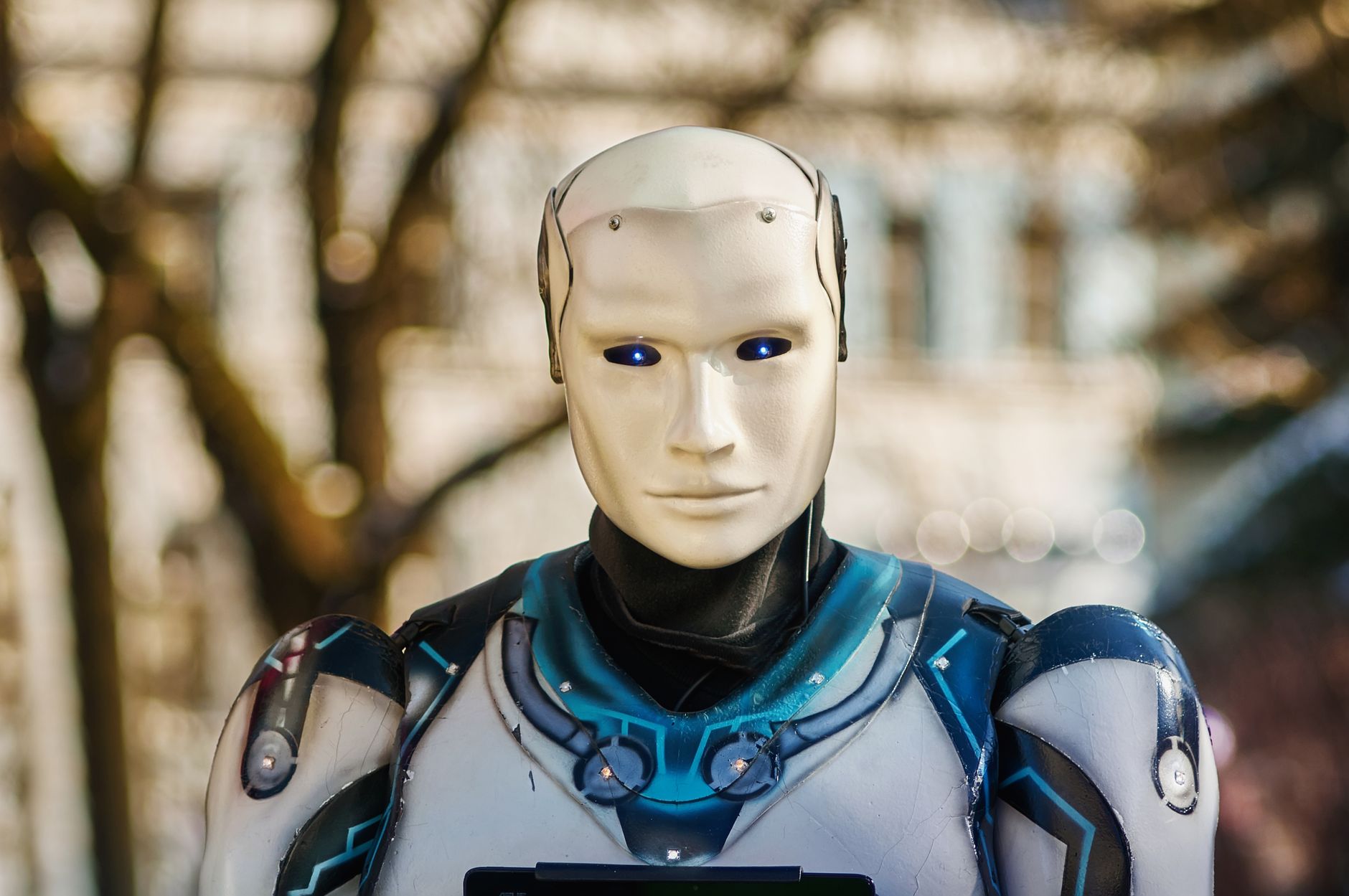
Google DeepMind released Gemini Robotics 2, an AI model capable of controlling a humanoid robot's entire body from feet to fingertips. This is a major leap from previous upper-body-only models, representing a concrete step toward 'physical AGI' and bringing AI's reasoning into the messy, high-stakes physical world. (The Verge)
🔬 Researchers declare LLMs have a fundamental security flaw
A team presented a paper arguing it's impossible to make large language models fully secure against hacks due to a core flaw in their architecture. This isn't just a bug to be patched—it's a foundational vulnerability with massive implications for deploying LLMs in sensitive or critical applications. (MIT Tech Review)
💰 Only 2,000 US engineers can deliver real AI ROI, study says
A new study estimates a tiny pool of about 2,000 U.S. engineers possess the 'forward-deployed' expertise needed to implement AI at scale and deliver meaningful ROI. This talent scarcity explains the sky-high salaries for AI specialists and is a major bottleneck for enterprise adoption. (TechCrunch)
💰 Okta acquires AI security startup Permiso for ~$200M
Identity giant Okta is buying security startup Permiso for roughly $200 million to bolster its threat detection for AI agents and non-human identities. The deal highlights the urgent, new security perimeter forming around autonomous AI workloads in enterprise cloud environments. (TechCrunch)
💰 LinkedIN holds line on compute spending despite AI boom
LinkedIn announced it won't expand its data centers in the next year, challenging engineers to maximize the efficiency of every existing GPU. This is a notable counter-narrative to the 'throw more compute at it' mentality and reflects the intense financial pressure of the AI infrastructure race. (Wired AI)
🛠️ AI-powered bug hunting forces Chrome to patch twice a week
Google is ramping up Chrome's patching schedule to twice weekly after AI-assisted tools discovered a flood of vulnerabilities. AI isn't just creating new attack surfaces—it's supercharging the discovery of old ones, forcing the entire software ecosystem to adapt to a faster, more precarious security cycle. (Wired AI)
🚀 Friend re-launches its AI pendant with a speaker, doubles price
The controversial AI companion company Friend is back with a new version of its pendant that can now talk to you aloud, but for twice the price and with a locked personality. It's a bold, expensive bet that there's a mass market for wearable, vocal AI friendship, despite the company's rocky history. (The Verge)
The takeaway: **The race to put AI into physical robots is accelerating, but a newly revealed fundamental flaw in LLM security threatens to undermine the entire enterprise.**