Today in AI: Nations Bet Big on Hardware
June 30, 2026
South Korea is making a massive trillion-dollar bet on AI hardware supremacy, while Google expands Gemini's image generation and OpenAI teases new coding hardware. Meanwhile, the debate over AI's impact on jobs gets more nuanced with new data.
💰 South Korea commits $1T to chips and humanoids
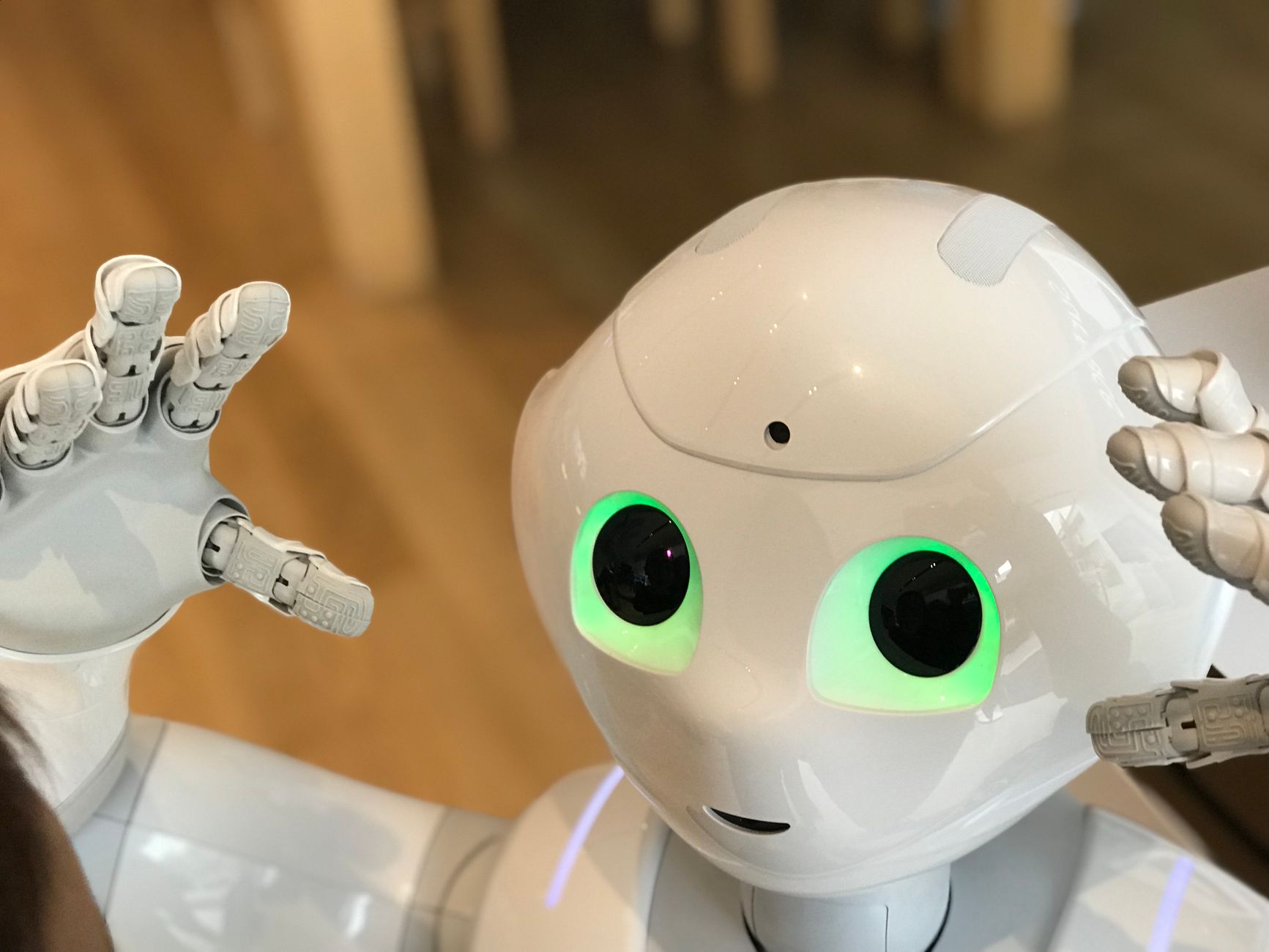
South Korea announced a massive investment targeting memory chip production and commercial humanoid robots by 2028. This positions the country as a physical AI hardware powerhouse amid global supply chain concerns. (Ars Technica)
💰 AI adopters actually increased headcount 10.2%
Contrary to doom-and-gloom predictions, companies using AI intensively saw headcount grow significantly, with entry-level roles up 12%. This data challenges the narrative that AI primarily eliminates junior positions. (TechCrunch)
🚀 OpenAI teases Codex hardware device for July 15
OpenAI previewed a square-shaped device with buttons specifically for its Codex coding AI. This represents the company's first foray into dedicated hardware beyond pure software interfaces. (The Verge)
🚀 Gemini's personalized image generation goes free in US
Google expanded access to Gemini's personalized image creation, using data from connected apps to tailor outputs. This moves AI image generation from generic prompts to context-aware creation. (TechCrunch)
🔬 Meta contractors posed as teens to test rival chatbots
Hundreds of Meta contractors pretended to be teenagers to probe how Gemini and ChatGPT respond to high-risk topics like suicide and drugs. This reveals the aggressive tactics used in AI safety testing between competitors. (Wired AI)
⚖️ Tidal won't pay royalties on 100% AI-generated music
The music platform will label fully AI-generated tracks but won't ban them outright—and importantly won't pay royalties. This establishes a precedent for how platforms handle AI content compensation. (The Verge)
The takeaway: South Korea's trillion-dollar bet on AI hardware signals that nations see physical infrastructure—not just algorithms—as the critical battleground for AI supremacy.